Component 01 / Sensing
The sensor is the road.
A 58 mm wide-flange plate, set flush into the carriageway, replaces the weighbridge pit. The vehicle does not find a platform; it simply drives over an instrumented piece of the lane.
01 / Why direct burial matters
The civil works are the part nobody budgets for.
A conventional weighbridge needs a pit: excavation, drainage, reinforcement, concrete curing and a way to keep water out of it for the next decade. On a live highway or a busy gate, that programme is often more disruptive than the equipment itself.
At 58 mm thick, the wide-flange plate sensor is designed to be buried directly in the lane without a civil foundation pit. The road surface stays continuous, installation is a lane-works job rather than a construction job, and the point remains a normal piece of carriageway for every vehicle that is not being measured.
The element carries an IP68 ingress rating and a 150% overload tolerance. Those two figures are about the reality of a road: water, debris, and the occasional vehicle that arrives far heavier than anyone expected.
02 / Method and figures
Full-wheel load integration.
The plate does not read a single peak. It integrates the load across the whole contact event of each wheel, which is what removes the error caused by off-centre or irregular driving.
From wheels to a gross weight
Wheel figures are summed into axles, axles into axle groups, and groups into the gross vehicle weight, all against one timestamp. Because the integration covers the full passage of the wheel, a vehicle that weaves or hugs the edge does not quietly produce an understated number.
The product handbook expresses the dynamic result as ±0.5% on gross weight, stated as Class 1 for total weight and Class E for single axles.
Configuration, not a loose part
The figures below describe the sensing element. The accuracy a buyer relies on is a property of the configured lane — geometry, acquisition and calibration included — which is why we scope the whole measurement chain before quoting.
| Parameter | Stated value |
|---|---|
| Sensor thickness | 58 mm, direct burial with no civil foundation pit |
| Ingress protection | IP68 |
| Overload tolerance | 150% |
| Measurement method | Full-wheel load integration |
| Dynamic accuracy | ±0.5% gross weight; Class 1 total / Class E single axle per the handbook |
| Vehicle speed | 1–100 km/h |
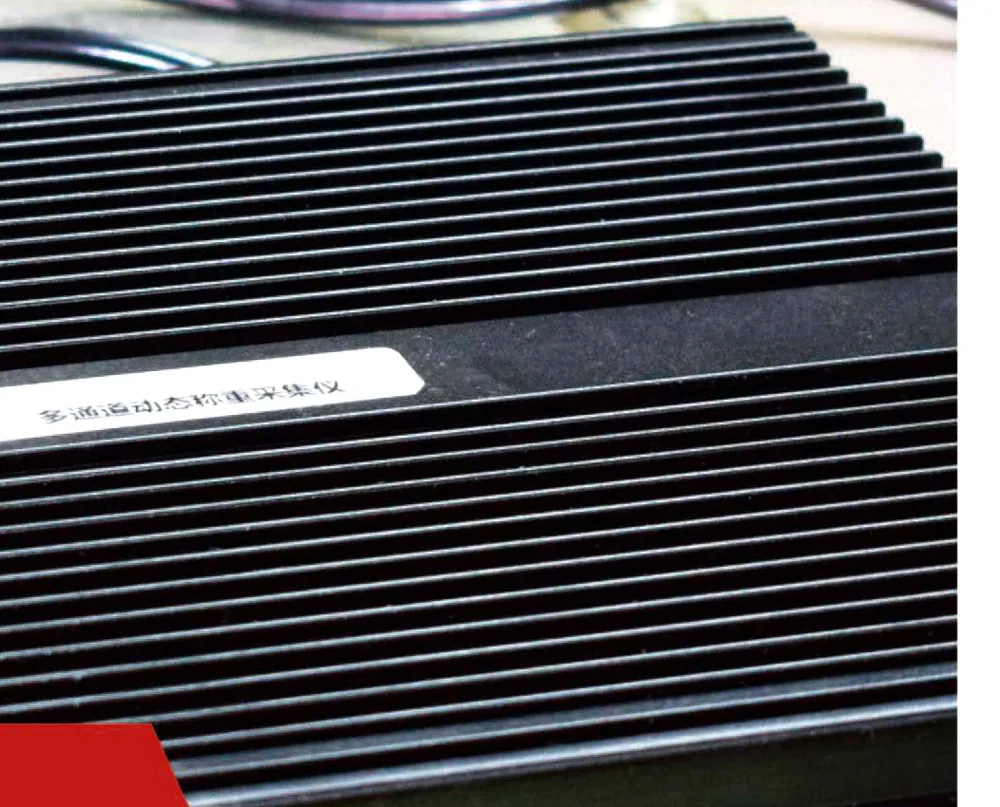
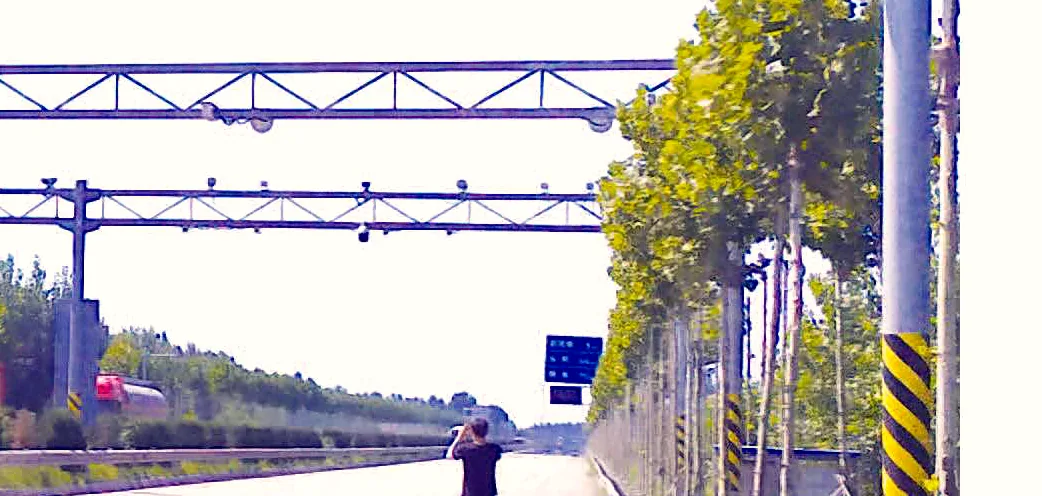
| WIM subsystem | Integrated with ANPR, LED board and data acquisition where required |
03 / The wider product range
Not every site needs in-motion measurement.
Where vehicles already stop, our U-steel fully welded closed-cavity weighbridge platforms remain the right answer: a third-party fatigue programme of two million load cycles, Sa2.5 blast cleaning with a double primer and double topcoat dry film of at least 120 µm, standard 3500×1000 mm and widened 4200×1000 mm decks, and ZDG multi-platform combinations for different wheelbases, covering 20, 50 and 100 ton classes.
Choosing between static and dynamic is a site decision, and we would rather make it with you than sell you the wrong category.