Solutions / Overview
Systems, not scales.
We do not start from a catalogue page. We start from the lane, the limit you must apply and the record you must be able to defend — then configure the sensing, identity, display and software around it.
01 / Three architectures
Choose the job the lane has to do.
Most enquiries fall into one of three patterns. They share the same measurement chain and differ in what happens after the weight is known.
Weigh in Motion
Gross and axle weight at 1–100 km/h with ±0.5% dynamic accuracy, using full-wheel load integration. For authorities and operators who need the number without the queue.
Read the principle 02EnforceOverload Enforcement
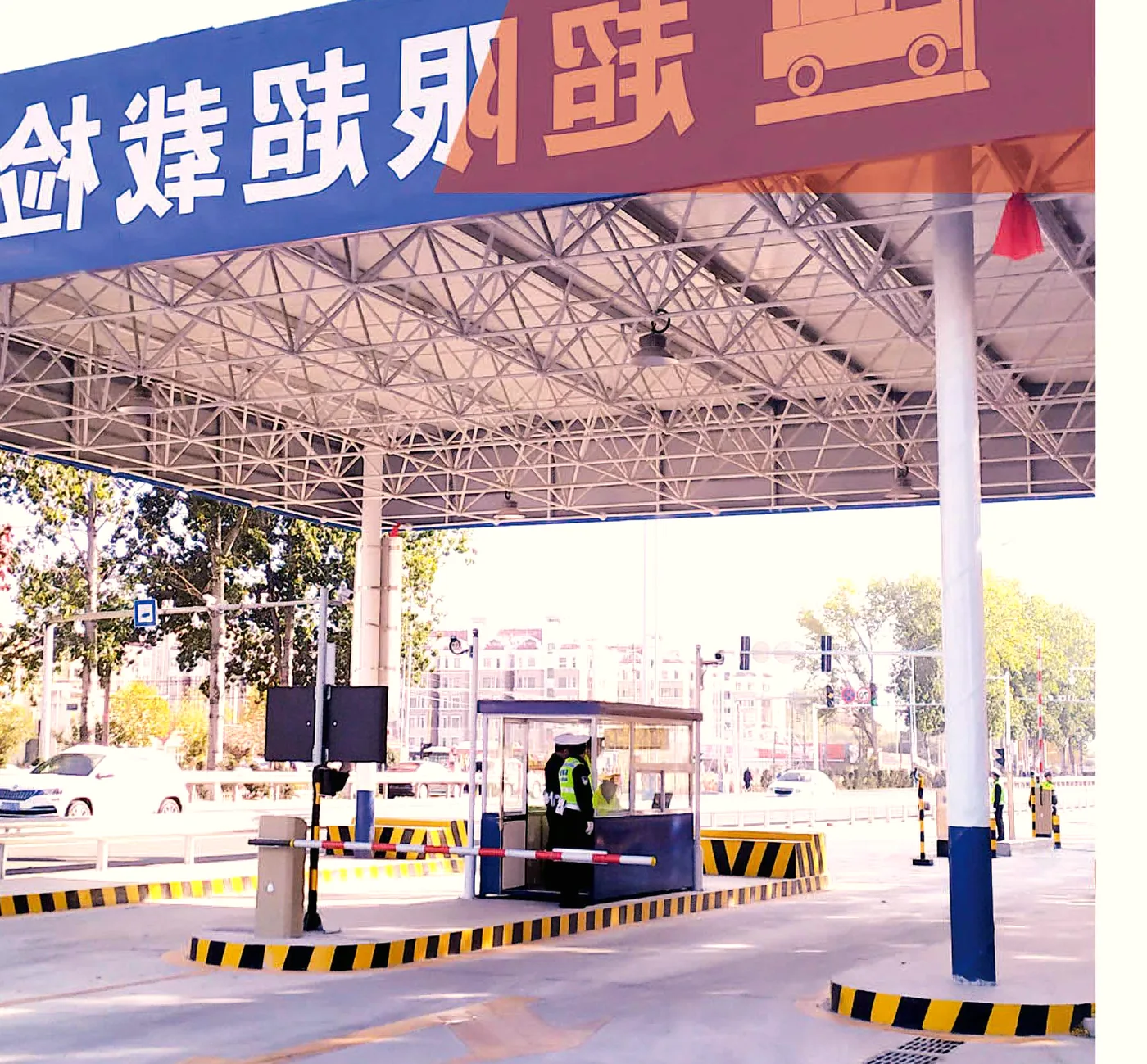
ANPR, an LED information board and anti-cheating logic that makes the weight hold up as evidence: S-shaped detours, rushing and dragging across the plate.
See the enforcement chain 03OperateUnattended Toll and Park Weighing
7×24 lanes at toll plazas, highway entrances and logistics parks, with local caching through network loss and central supervision of many sites.
Explore unattended operation02 / How to specify
A useful enquiry describes a decision, not a device.
Tell us whether the output is a statistic, a fine or a gate instruction. That single answer determines what we put beside the sensor: a plate camera and an evidence file, a roadside display, or a quiet database and a dashboard.
Then give us the vehicle mix, the approach speed, the legal or operational limits, the number of lanes, and whether the network is reliable. From those, we propose a configuration, the drawing package for the lane, and the commercial terms.