Deployments / Field notes
Where the measurement has to survive.
We do not publish customer names or claim results we cannot evidence. What follows are typical deployments: the configurations that recur across the environments our equipment is built for.

01 / A note on method
Scenarios, not testimonials.
A procurement reader deserves better than a logo wall. The descriptions below are composite, drawn from the kinds of sites shown in our photographs and from the questions buyers consistently ask. They set out the design logic of each environment: what the lane must decide, what the network can be trusted with, and which parts of the chain are specified as a result.
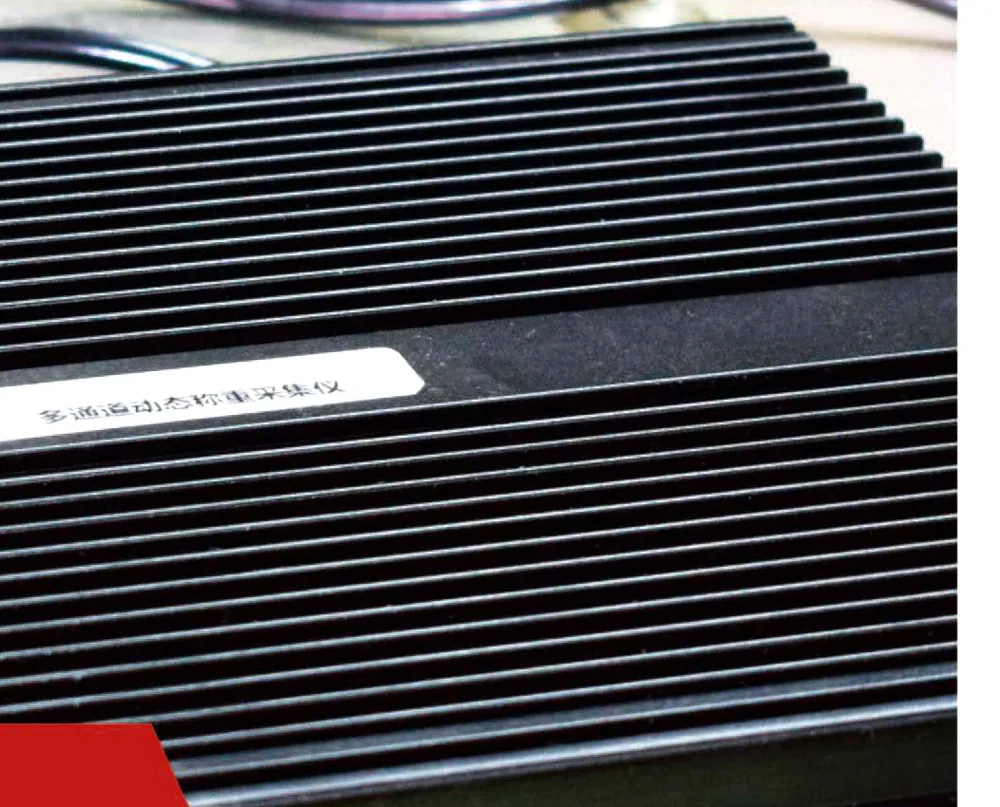
Every one of them starts from the same four blocks — a wide-flange plate sensor, optional ANPR capture, an LED information board and a data acquisition unit — combined differently.
Six environments. One measurement discipline.
Scroll the deployments →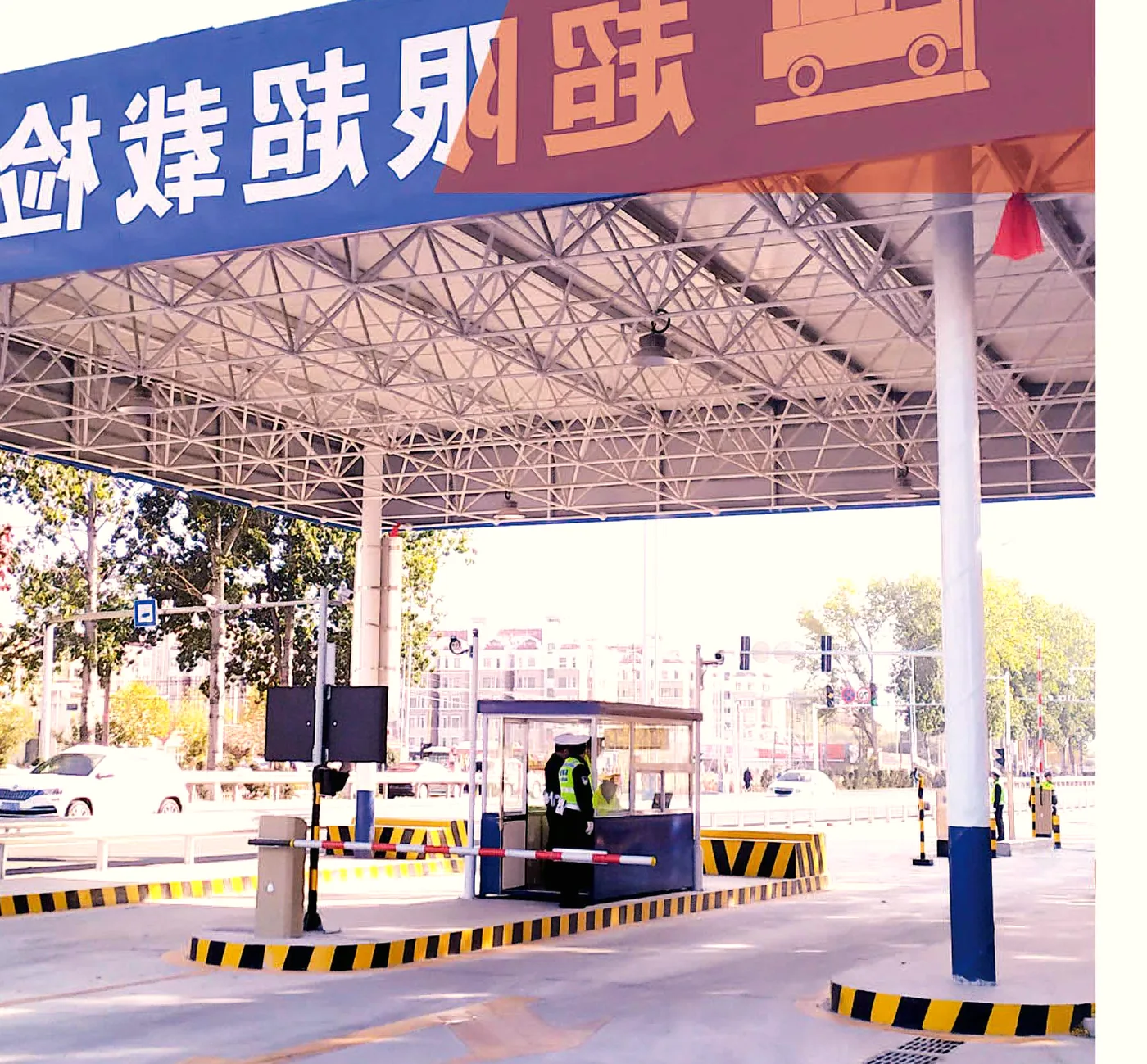

02 / Six environments
How the configuration changes with the site.
Highway entrance and toll plaza
Here the priority is screening at line speed before a barrier. A typical deployment measures every passing vehicle, flags those over a limit, and shows an immediate instruction on the LED board. The record is retained with its plate and image so a directed check downstream has something to act on.
Control station
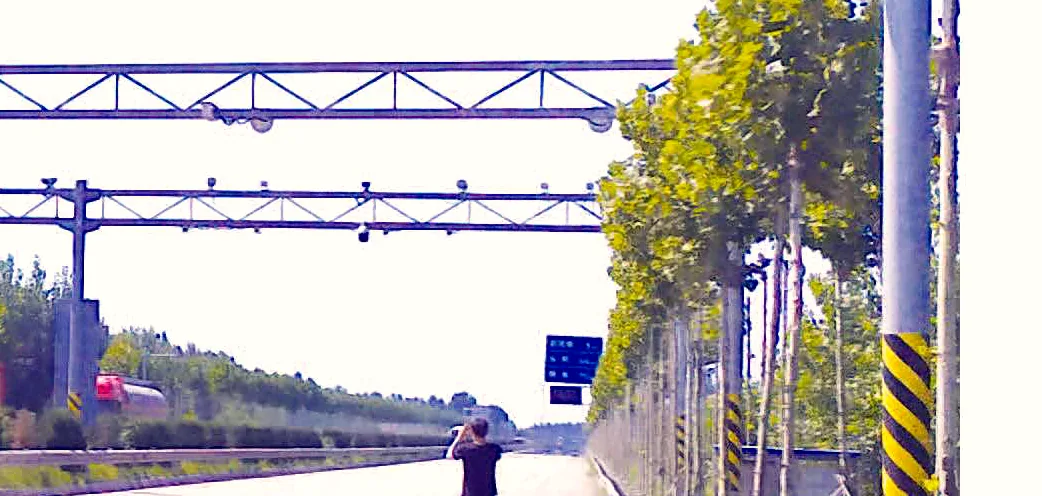
At a dedicated checking point the lane is the decision itself. The full enforcement chain applies: weight, identity, image and anti-cheating logic for S-shaped detours, rushing or dragging across the plate.
Port gate and logistics park
Throughput dominates. A typical deployment runs unattended, measures in the flow, and uses the weight for operations rather than for a fine. Local caching matters because a gate that stops measuring when the link drops is worse than no system at all.
Mine
Heavy, repetitive loads and a harsh environment push the overload tolerance and ingress rating of the sensing element to the front of the specification. The value is in consistent, auditable production figures rather than in driver messaging.
Airport cargo area
Freight moves on a schedule. An in-lane measurement point keeps build-up and dispatch flowing while still producing a weight record for each load, with unattended operation as the default.
What we ask before proposing
Vehicle mix, approach speed, the applicable limits, the number of lanes, network reliability and what must happen after a bad pass. From those six answers the configuration almost writes itself.