Solution 03 / Operate
A lane that runs itself, and still answers for every axle.
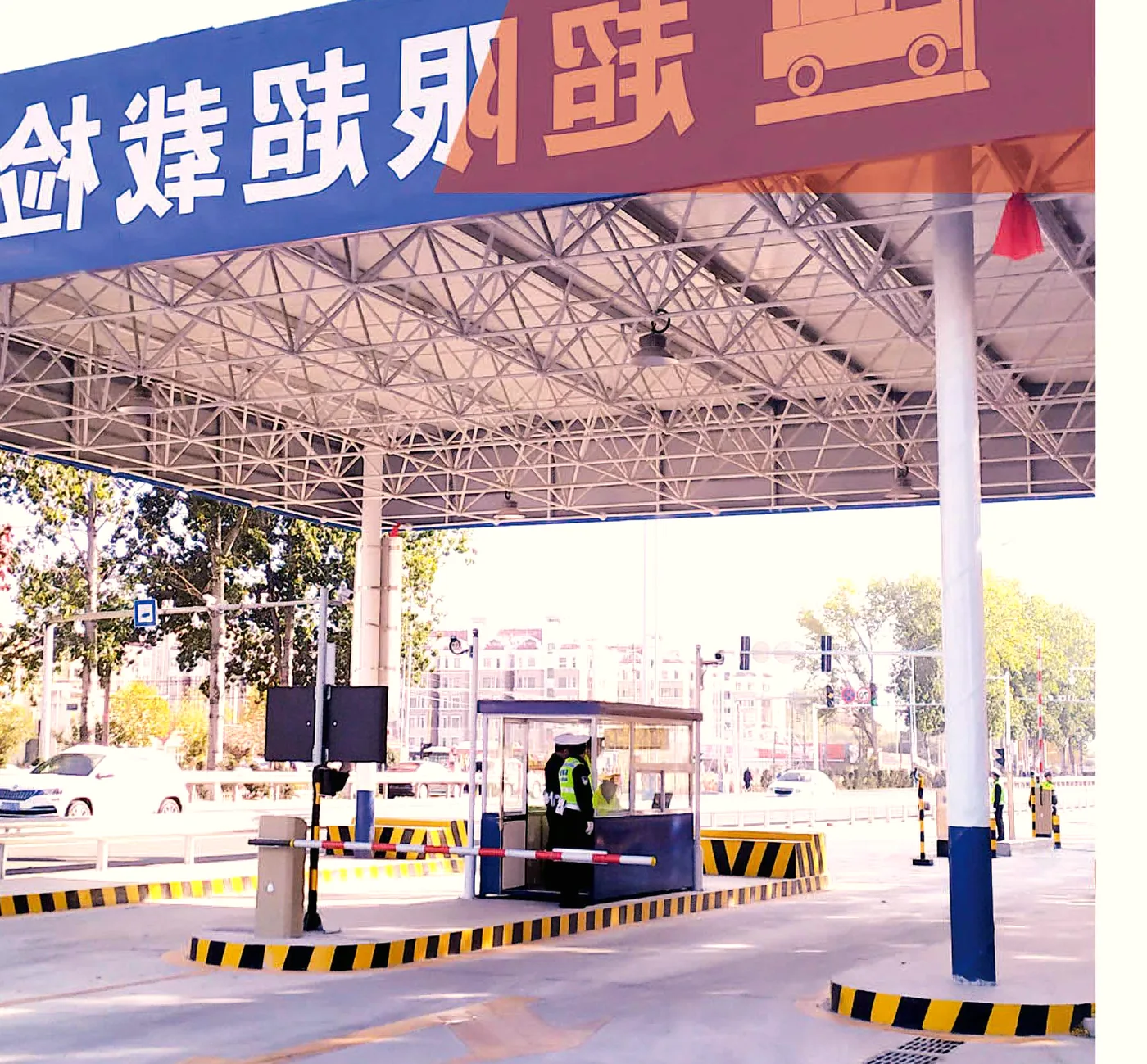
At a toll plaza, a highway entrance or a logistics park gate, the weighing point cannot depend on a person being there. The system measures, decides and stores the record on its own.
01 / Why unattended
Staffing a lane is the largest recurring cost in it.
Most of the expense of a conventional checking point is not the equipment — it is the shift rota, the booth, and the supervision around it. An unattended dynamic lane removes that layer without removing the record. Vehicles are measured at the speed they already travel, and every pass is written with its axle profile and timestamp.
The human effort moves from watching a lane to reviewing exceptions. That is a better use of an enforcement or operations team, and it is the reason the software matters as much as the sensor.
02 / Keeping the record
Assume the network will fail. Design anyway.
Remote sites rarely enjoy a perfect link. Three behaviours make an unattended lane trustworthy in practice rather than only on a diagram.
Keep measuring offline
When the connection drops, the acquisition unit continues to log every pass locally. Nothing is lost during the outage, and the backlog syncs when the link returns.
One rule set, many sites
Several lanes and several locations report into one place, so limits, classifications and software behaviour stay consistent across a whole network.
Review by exception
Image capture and video linkage let a supervisor pull the file for a flagged pass without being present when it happened.
03 / Where it fits
One architecture, several kinds of gate.
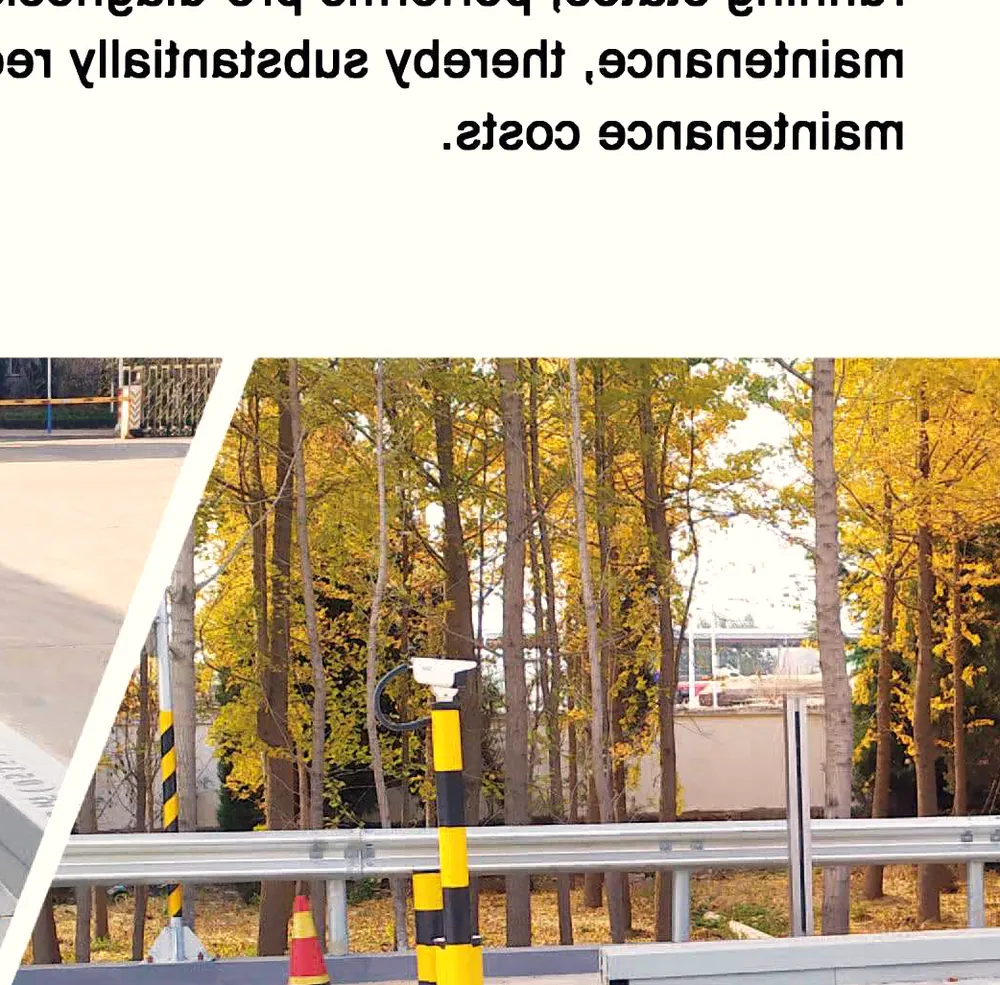
Toll plazas and highway entrances use the lane for screening before a barrier. Logistics parks and port gates use it to keep freight moving while still capturing a weight for operations. Mines and airport cargo areas use it where a queue would be genuinely expensive.
In each case the configuration starts with the same question: what should happen when a pass is out of limit? A quiet database entry, a flag for review, or an instruction shown on the LED information board. The answer decides how much of the enforcement chain is added.